Tunnel coaching
One-on-one or small group coaching in the tunnel. Body position is the surface problem; the work is in mechanics, airflow and what your brain is doing under load.
Most coaching tells you what you're doing wrong. That's the easy part — it's on the video. The work is figuring out why, so the fix holds after the coach goes home.
Twelve thousand hours in the wind tunnel and fourteen thousand jumps since 2006 — most of it spent working out why bodies do what they do in moving air.
That is the whole problem. A coach says your leg is out and you believe them, but you have never once seen what that leg does to the air — so the fix is something you copy rather than something you understand, and it leaves when they do.
A real fluid simulation, not an animation — move the flyer, change the angle, draw your own shape and watch the flow rebuild around it. Built here, because the whole method rests on it. Works best with a mouse or on a tablet. Open it full screen
Anyone can read a video back to you. "Drop your right shoulder." You do it, it works that rotation, and by the next session it has gone again — because nobody established why the shoulder was up.
It is one of four things, and they need four different answers. A mechanical limit, in which case the position was never available to you. An old habit from a discipline you used to fly. A spatial gap, where you genuinely do not know where that arm is. Or nerve, where you know exactly what to do and your body will not do it at speed.
Only one of those is fixed by arching harder. Working out which one you have is the job.
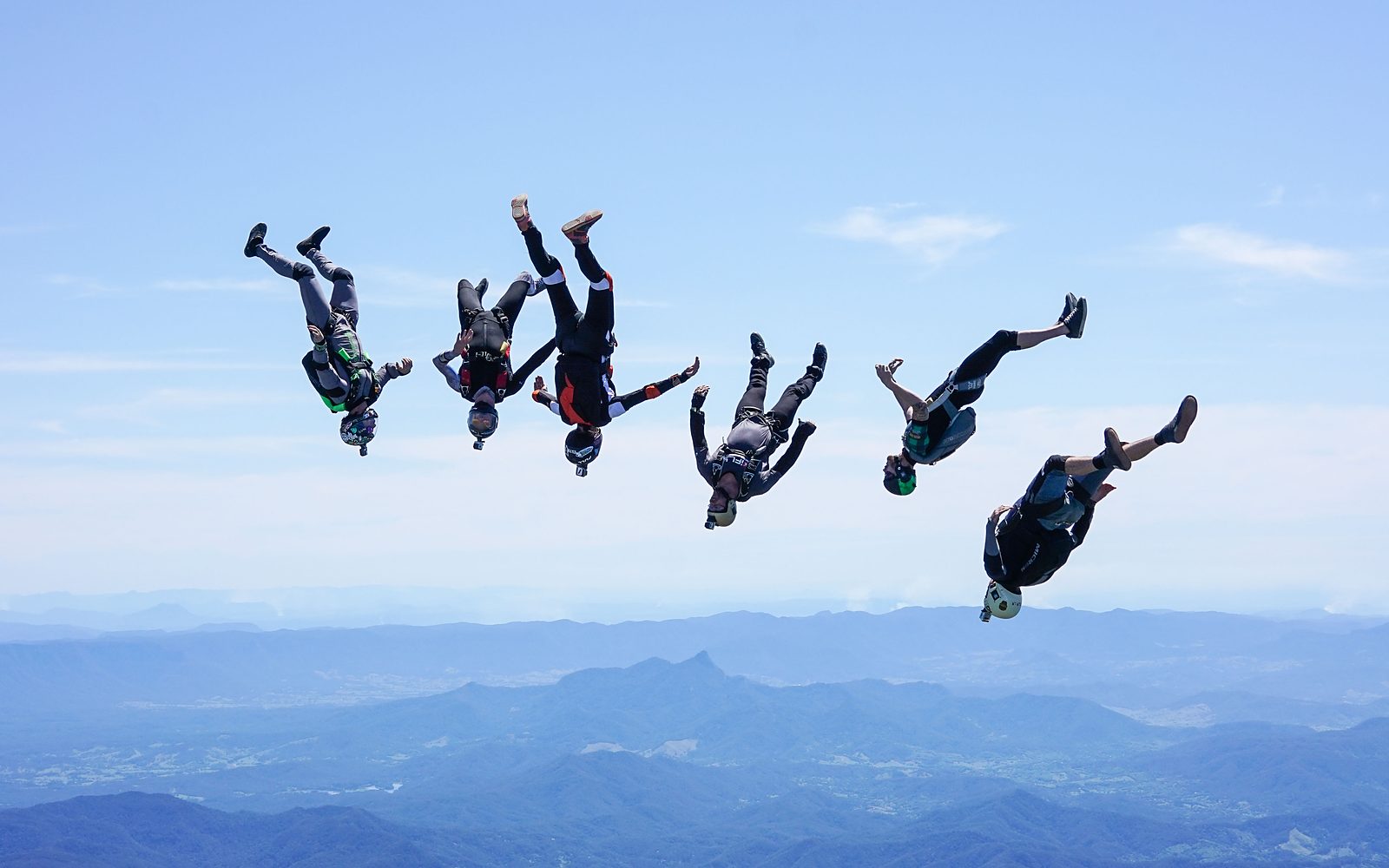
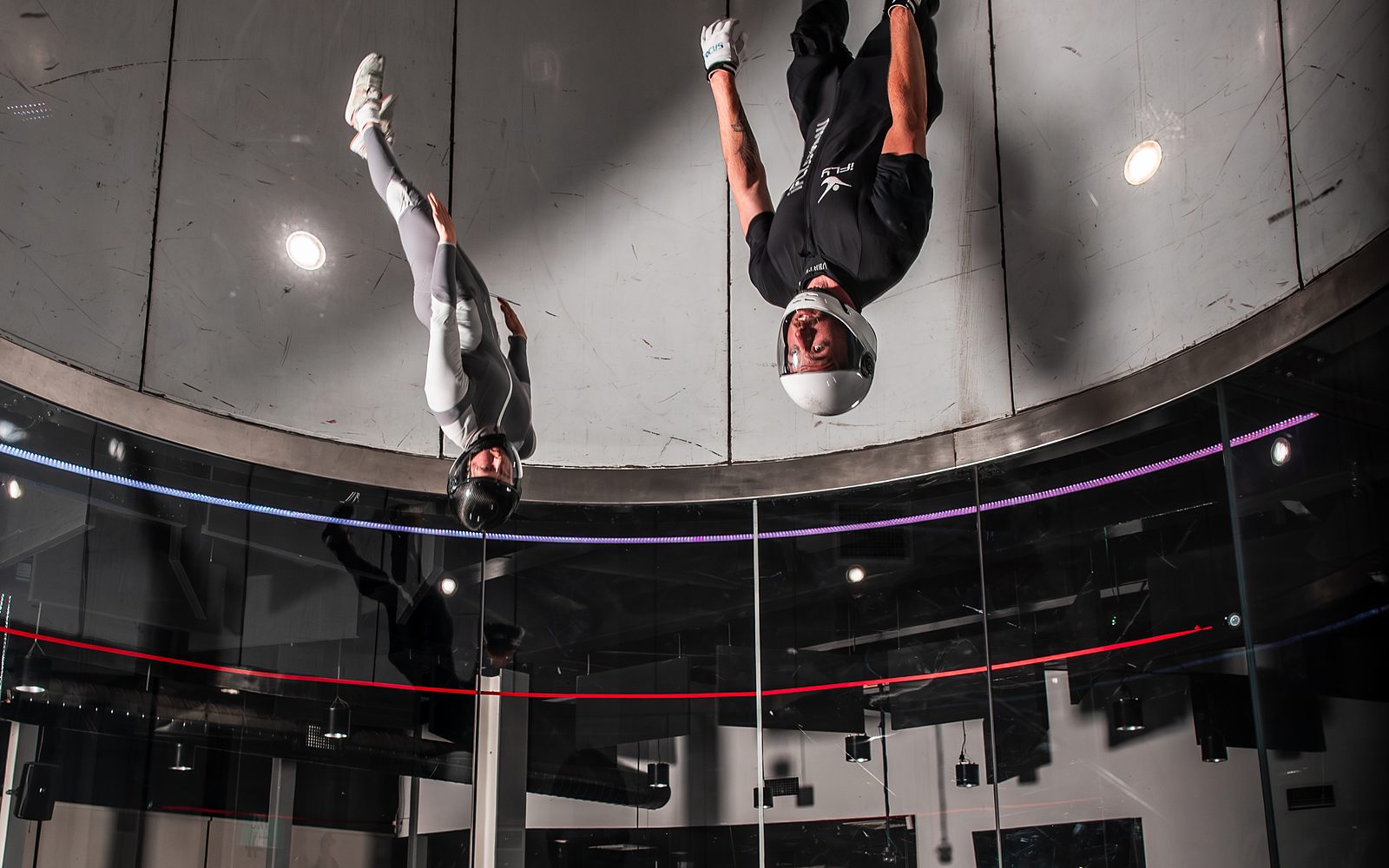
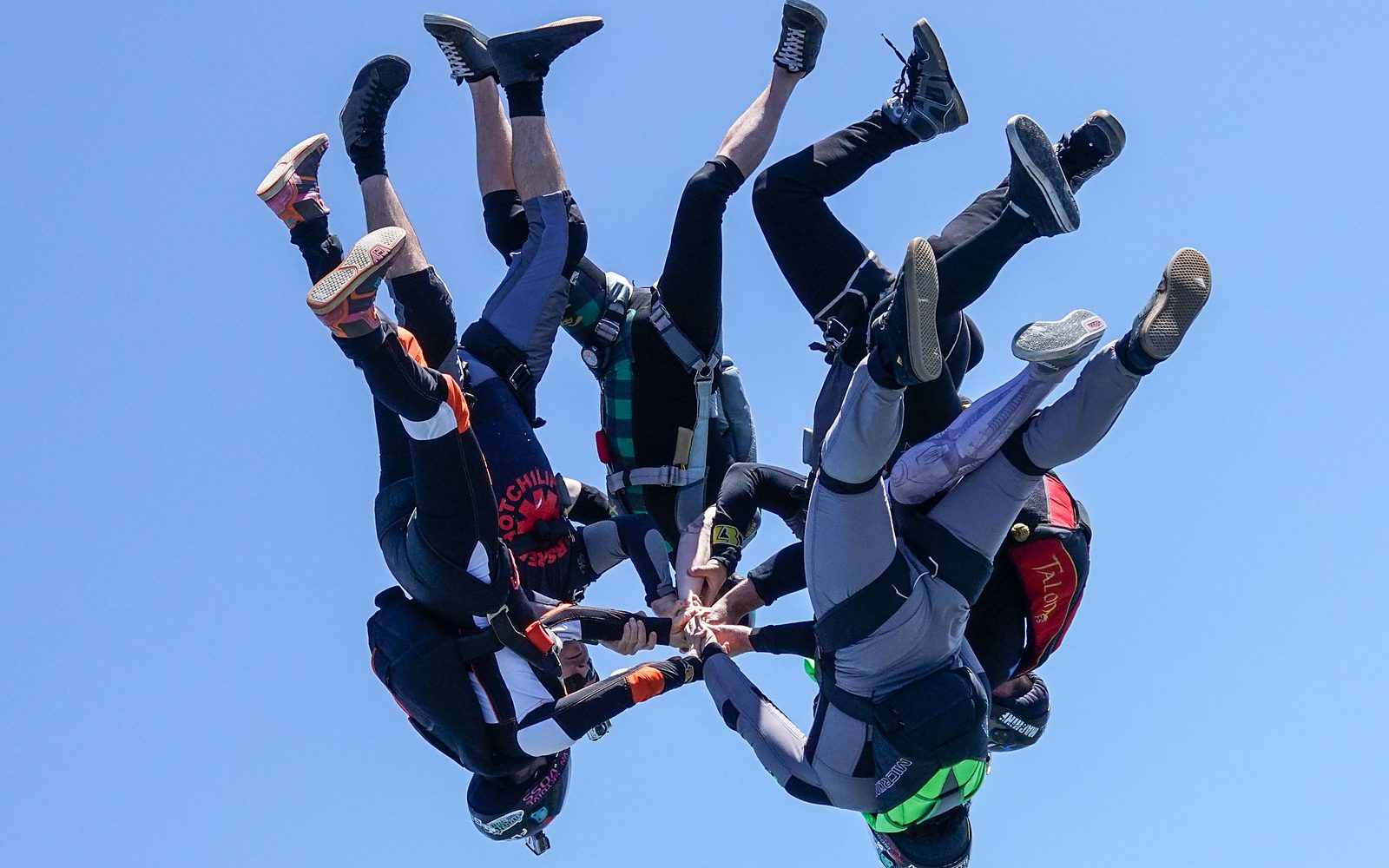
Four ways in, and they are not equal — the tunnel is where most of it happens, because it is the only place you can run the same second again until it changes.
One-on-one or small group coaching in the tunnel. Body position is the surface problem; the work is in mechanics, airflow and what your brain is doing under load.
Send footage, get it pulled apart properly. Video analysis, a written debrief and a specific plan for your next session — not vague encouragement.
Video analysis from anywhere — you need footage, not good footage.
For flyers moving from being good in the air to being able to teach it. Teaching someone to fly is a different skill from flying, and most people are never taught it.
A full or half day of coaching at Skydive Toogoolawah, one-on-one or as a group. Run on request rather than to a fixed calendar. Angles, vertical flying, freefly, canopy control, and coach ratings — with video debriefs through the day.
Two days in the tunnel with a group, built around where each flyer actually is. Availability below is counted from the live booking system, not typed in by hand.
17–18 September 2026
Sydney
Two days of tunnel coaching with Mason. All levels and all disciplines — belly, freefly, angles and dynamic.
Coaches: Mason Corby
Book this camp15–16 October 2026
Sydney
Two days of tunnel coaching with Mason. All levels and all disciplines — belly, freefly, angles and dynamic.
Coaches: Mason Corby
Book this campCoaching rates in this sport vary a lot and the number alone tells you nothing. Here is what sits behind this one.
Fourteen thousand jumps and twelve thousand hours in the tunnel — three of those years full time. Most coaches have the sky or the tunnel seriously, not both. When a problem in the air turns out to be one you can only fix on the ground, or the other way round, that breadth is the difference between a fix and a workaround.
The rate is for working out why your body is doing it, not for describing what it did. Those are different jobs and only one of them survives the drive home.
Coach development is part of what Downunder Dynamics does, which means the method has to hold up well enough to hand to another coach — not just to work on the day with the person who invented it.
Harry is $300 an hour, and for consistent progression through standard orientations he is often the right call. Saying so costs nothing and it is why people come back.
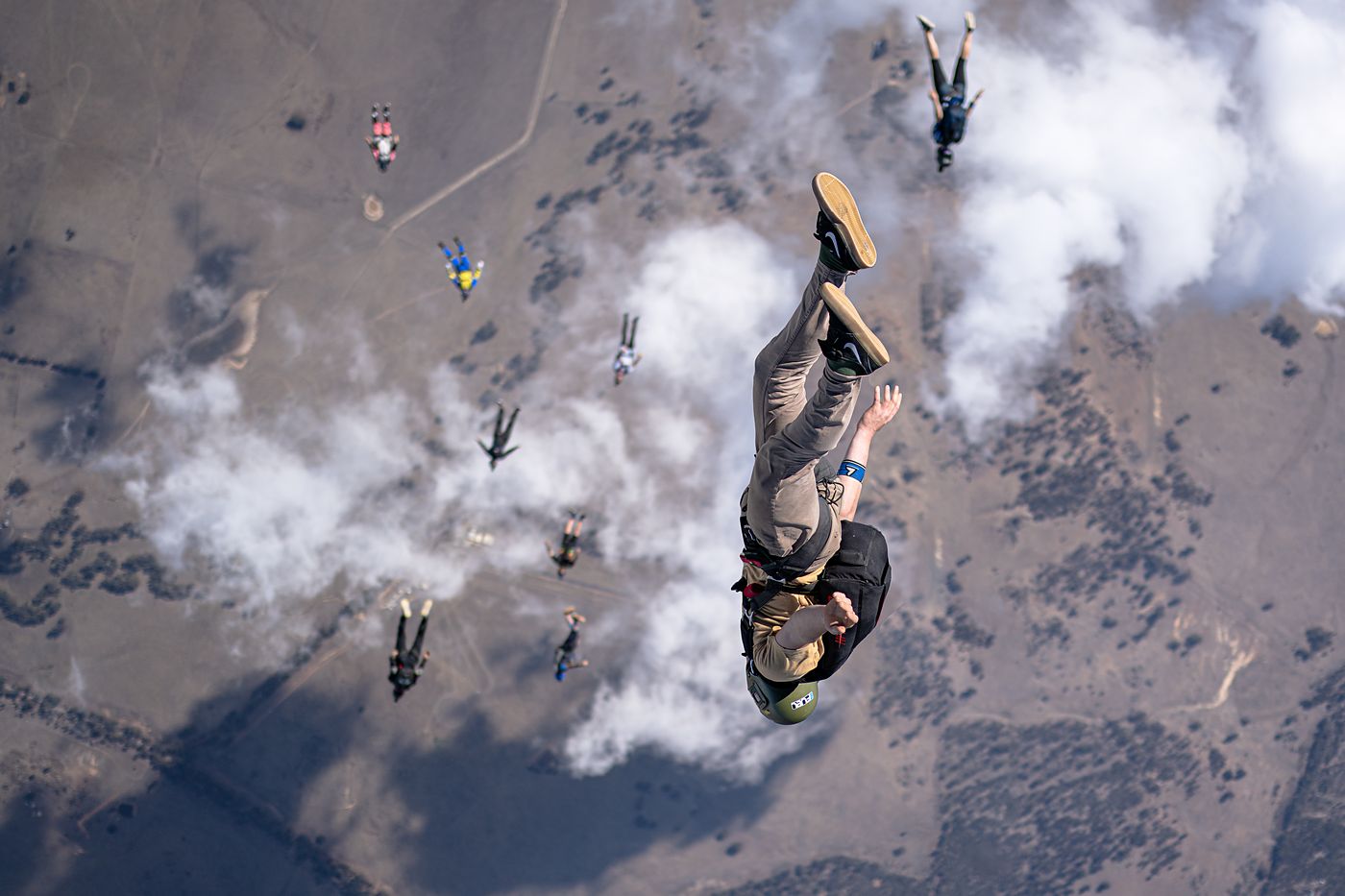
A lot of what is now normal in Australian body flight did not exist here until Downunder Dynamics built it. Some of it did not exist anywhere.
Invented the sport. One-versus-one competitive flying in a vertical wind tunnel — leader and follower in the same column of wind, the follower matching or busting. Ten years and forty thousand dollars of development, now flown as its own category at Australian national level.
Ran the first Atmonauti competition at the Australian Nationals, putting angle flying in front of the country's competitive scene as a discipline in its own right.
The first of its kind: kegs, drums and whatever else can be made to fall predictably, welded and weighted and tested, then thrown out of an aircraft to be flown with.
Brought the multi-day coaching camp format to Australian drop zones and tunnels, at a point when serious progression meant going overseas for it.
Any. First tunnel session through to national-level competitors. Being a beginner is not a disadvantage — bad habits are harder to unpick than a blank sheet.
No. Tunnel time is booked and paid separately with the facility, and coaching is charged on top. It means you're free to book the tunnel that suits you.
Anything that shows what you're doing — external camera, someone else's helmet cam. It does not need to be good footage.
Australia, working across tunnels and drop zones nationally. Sending footage has no location constraint at all.